Finding the right space for your next event starts long before you sign a contract. Whether you are planning corporate events, a wedding reception, or a milestone celebration, touring venues in person reveals details that photos and websites simply cannot capture. A conveniently located venue is a key factor to consider when touring event venues in Denver, as accessibility and ease for your guests can make a significant difference. This guide walks you through exactly what to evaluate when visiting event venues in Denver and beyond, with practical tips tailored to the mile high city.
Key Takeaways
- The most important factors to evaluate during any venue tour are location and accessibility, capacity and layout, on-site services (A/V, catering, staffing), and contract terms—these four areas account for the majority of event success or failure.
- Event planners and hosts should arrive at each tour with a clear checklist covering questions about parking, including whether complimentary parking is available, rain plans, load-in logistics, and pricing breakdowns to avoid costly surprises.
- Event venues in Denver are equipped to handle diverse gatherings, from intimate meetings to large-scale festivals, showcasing the city’s versatility in hosting events including proms, mitzvahs, quinceañeras, and picnics.
- For those seeking a centrally located Denver venue with indoor/outdoor event space and exceptional service, Rooftop1630 offers a compelling option worth exploring.
- This article focuses on practical, real-world touring tips rather than generic advice—specific questions to ask, numbers to verify, and Denver-specific considerations you will not find elsewhere.
How to Prepare Before You Tour Event Venues
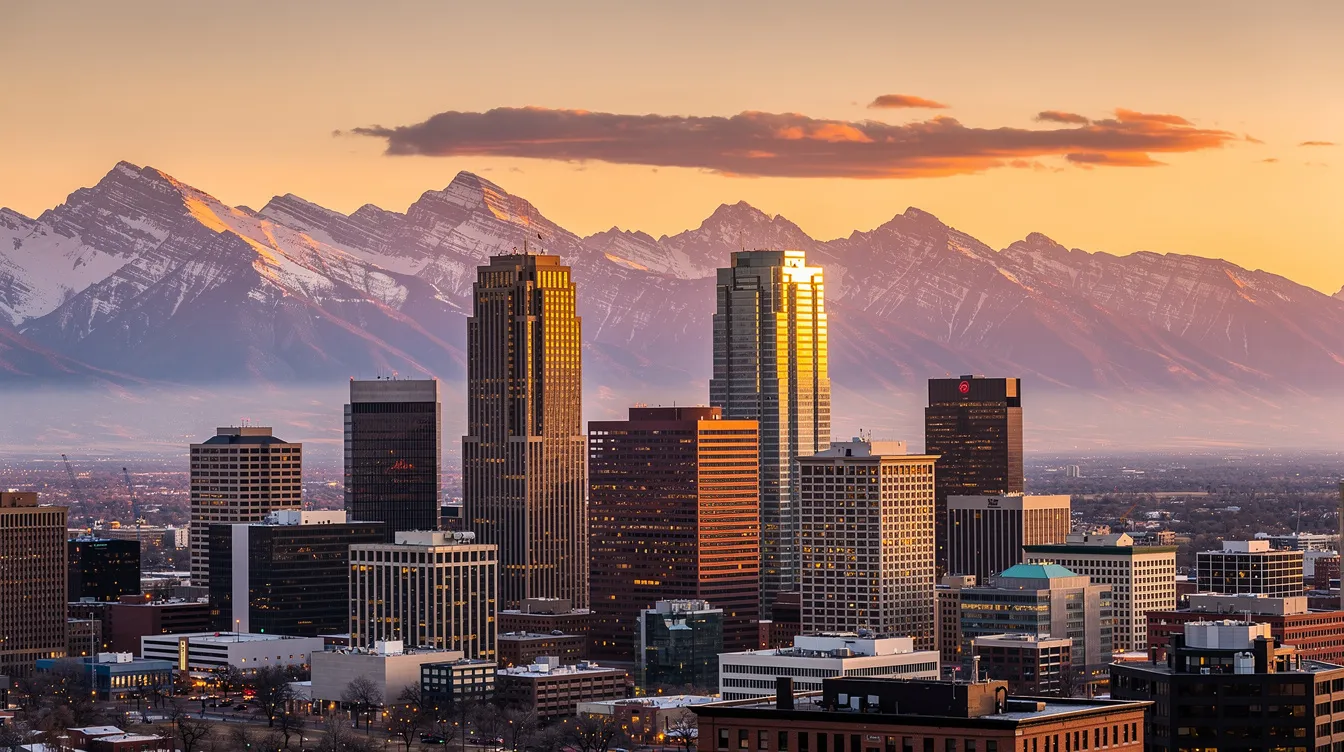
Preparation before touring event venues—especially in competitive markets like downtown Denver, RiNo, and the Dairy Block area—saves both time and money. According to a 2025 Event Marketer survey, 68% of planners now prioritize flexibility in their venue search, which means defining your requirements clearly before you even schedule a tour.
Start by identifying your event type and guest count range. Common event types that can be hosted in Denver include corporate events, weddings, non-profit fundraisers, team building activities, and holiday parties. Your format matters: a corporate gathering for 75 requires different features than a birthday celebration for 200.
Set a realistic total budget using industry benchmarks:
| Budget Component | Typical Percentage |
|---|---|
| Venue rental | 20-30% |
| Food & beverage | 40-50% |
| A/V and technology | 10-15% |
| Taxes/service fees | 8-10% |
For mid-sized event spaces (100-500 guests), Denver venues typically range from $5,000-$25,000 in rental fees alone. Plan for an additional 25-30% in taxes and service charges.
Choose a target date window and prepare questions about seasonal pricing. Summer months (June-August) see 20-30% premiums due to festivals and outdoor demand, while winter dates (January-March) may offer 15-25% discounts but require stronger weather contingencies.
Build a written venue tour checklist that includes questions about layout options, outdoor spaces, rain plans, parking logistics, and load-in timing. For Denver venues specifically, factor in altitude considerations, winter weather risks, and potential conflicts with major sporting events near Coors Field or conventions at the civic center.
Evaluating Location & Accessibility of Event Venues
A centrally located event space can dramatically improve attendance rates. Research from Cvent suggests that central locations boost corporate event attendance by 25-35%, as 60% of Denver metro area commuters avoid drives longer than 45 minutes.
Downtown Denver (Union Station, Dairy Block, 16th Street Mall):
- Walkability score: 90% of venues within 0.5 miles of dining and hotels
- Transit access: RTD A/B/E lines connect directly to Denver International Airport
- Parking costs: $20-40 per night at commercial lots
Neighborhood alternatives (LoHi, Cherry Creek, DTC):
- Generally lower parking costs ($10-15 in suburban areas)
- Less transit access but easier highway connections
- Quieter settings for intimate gatherings
During your tour, verify these accessibility factors:
- Public transit stops within reasonable walking distance
- Ride-share pickup zones and drop-off logistics
- Clear wayfinding from the street to the main event space
- On-site parking capacity and validation options
- Valet availability and associated costs
For conferences or events with out-of-town guests, proximity to hotels matters. The area near the Colorado Convention Center offers approximately 1,800 hotel rooms within walking distance—ideal for massive conventions, trade shows, and galas requiring overnight accommodations.
Assessing Capacity, Layout, and Flow of the Event Space
Capacity numbers on a website rarely tell the full story. A space listed at “500 capacity” might accommodate that number standing but seat only 300 for dinner. Walking the event space in person is critical for accurate planning.
Confirm multiple capacity scenarios with the venue manager:
| Configuration | Typical Capacity Ratio |
|---|---|
| Seated dinner | Base number |
| Cocktail/standing | 1.5-2x seated |
| Theater-style | 1.5x seated |
| Classroom | 0.6x seated |
Walk through a sample guest journey during your tour: entrance, check-in area, cocktail hour space, main program room, restroom access, bar locations, and exit flow. Note any potential bottlenecks—narrow hallways in converted industrial lofts are common in RiNo venues.
Ask about breakout options for corporate meetings. Separate rooms work well for VIP areas, green rooms, or concurrent sessions. Ceiling heights matter for presentations: industrial spaces often offer 14-30 feet, ideal for large screens requiring 60-100 foot throw distances.
For outdoor spaces like rooftop patios or courtyards, ask specifically about:
- Denver noise ordinance restrictions (typically 10pm weekdays, midnight weekends)
- Curfew times for outdoor music
- Backup plans for the specific indoor room that would be used
On-Site Services, Technology, and Staffing
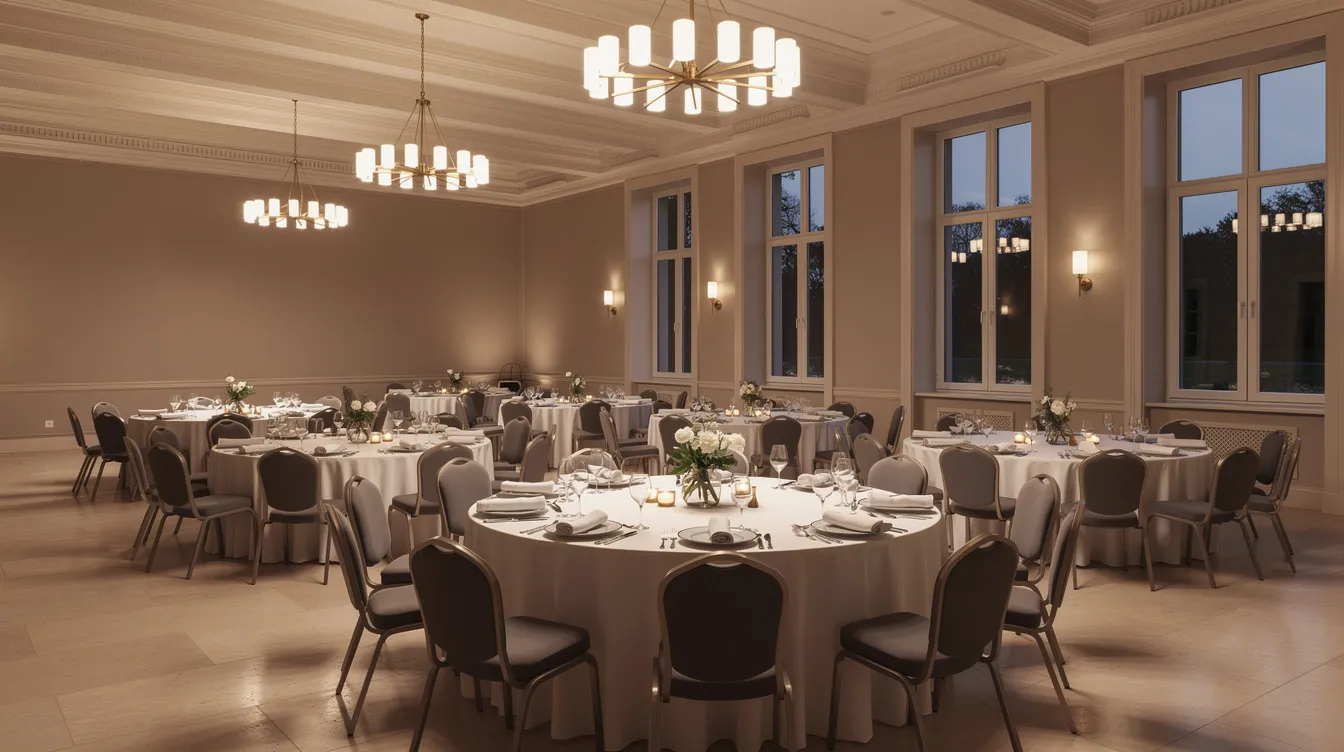
Touring is the time to uncover what is truly included in the rental fee versus what will be an add-on. Denver’s corporate venues often blend state-of-the-art technology with professional service, but the details vary significantly.
A/V and Technology Questions:
- What built-in equipment exists (projectors, LED walls, sound systems, microphones)?
- Many venues use audio technologies that elevate the event experience and offer best-in-class video capabilities, ensuring an immersive and memorable atmosphere for guests.
- Is a dedicated technician required or included?
- What are fees for additional A/V support ($500-$1,500 is typical)?
Catering and Bar Evaluation:
- In-house catering, preferred vendors, or full flexibility?
- Menu customization options and dietary accommodations
- Bar packages: hosted, cash, or consumption-based pricing
- Last call times and Denver liquor licensing impacts
Staffing Levels:
- Event manager availability from an expert team—successful event venues typically have a team trained to handle various aspects of event planning, ensuring a smooth experience for clients.
- Bartender-to-guest ratio (industry standard: 1:25)
- Security requirements for your guest count
- Setup and teardown labor inclusion
Excellent customer service in event planning includes responsive communication, attention to detail, and a willingness to accommodate client needs. During your tour, note whether staff provide fast, detailed answers, offer sample timelines, and share reference photos from past events—these are indicators of exceptional service you can expect on your special day.
Ambiance, Design, and Flexibility of the Venue
The look and feel of an event venue should support your brand, theme, or personal style without requiring excessive décor spend. Denver offers diverse event spaces ranging from industrial warehouses in RiNo to historic mansions and modern hotel ballrooms downtown, each creating a different perfect backdrop for your event.
Evaluate these design elements during your tour:
- Natural light availability and evening lighting options
- Skyline or Rocky Mountains views, especially for rooftop spaces
- Flooring, wall colors, and existing furniture quality
- Built-in bar locations and functionality
Unique venues often feature eclectic furnishings that eliminate the need for a separate décor budget, enhancing the overall aesthetic. Ask what furniture inventory is included: banquet tables, cocktail tables, chairs, lounge furniture, staging, and podiums can add significant rental costs if not provided.
For corporate events requiring branding, ask about:
- Logo display options and digital screens
- Custom signage and step-and-repeat backdrop placement
- Lobby or elevator display availability
Some venues provide a variety of indoor and outdoor spaces, allowing for flexible event planning and unique settings tailored to different themes and occasions. For cooler Denver evenings from October through April, confirm whether heaters, fire pits, or wind screens are available for outdoor spaces.
Logistics, Policies, and Fine Print to Review During Tours
Many of the most important details hide in policies and contracts. Ask to see sample agreements during your tour to avoid surprises later.
Key Contract Elements to Verify:
- Rental windows: typical 6-12 hour blocks
- Overtime charges: often $500-$1,000+ per hour after 11pm
- Deposit requirements: usually 25-50%, often non-refundable after 90 days
- Cancellation and rescheduling policies
Logistics Questions:
- Freight elevator access and loading dock availability
- Vendor access hours for setup
- Certificate of insurance requirements for outside vendors
- Damage deposit amounts and return timelines
For outdoor event spaces, confirm weather-related contingencies in writing. Ask about blackout dates—popular Denver venues may book 12-18 months in advance for prime Saturdays and holiday party season.
Verify ADA accessibility: ramps, elevators, accessible restrooms, and accommodations for guests with mobility, hearing, or vision needs. A successful event venue typically has a team trained to handle various aspects of event planning, ensuring a smooth experience for all clients and guests.
Touring Event Venues in Denver: Local Considerations
While these principles apply everywhere, touring event venues in Denver comes with unique mile high considerations worth addressing.
Altitude Effects (5,280 feet):
- Guests may dehydrate 20-30% faster than at sea level
- Plan water stations near entrances
- Pace programming 10% slower than usual
- Alcohol affects guests more quickly at altitude
Denver offers a variety of event venues that can accommodate different types of gatherings, from corporate events to weddings and social functions. Wings Over the Rockies Air & Space Museum offers a massive 182,000 square feet within a WWII-era hangar, perfect for large-scale galas. The Denver Botanic Gardens at York Street features 24 acres of diverse plant life and scenic indoor/outdoor options for those seeking natural settings.
Downtown hot spots like Dairy Block, Union Station, and LoDo offer walkable event spaces, restaurants, and hotels—though parking costs run higher. Many event venues in Denver provide both indoor and outdoor spaces, allowing flexibility regardless of season.
Winter Date Considerations (January-March):
- Average snowfall: 35 inches December-February
- Outdoor spaces and rooftop venues require strong backup plans
- Consider covered terraces or tent rental contingencies
Ask venues about major city events that might overlap with your date. Sports playoffs, large conventions, and festivals can increase traffic and lodging rates significantly. Compare different styles during your search—theaters, modern rooftops, industrial lofts, and traditional ballrooms each offer distinct advantages for your own unique event.
Why Rooftop Venues Are Popular for Denver Events
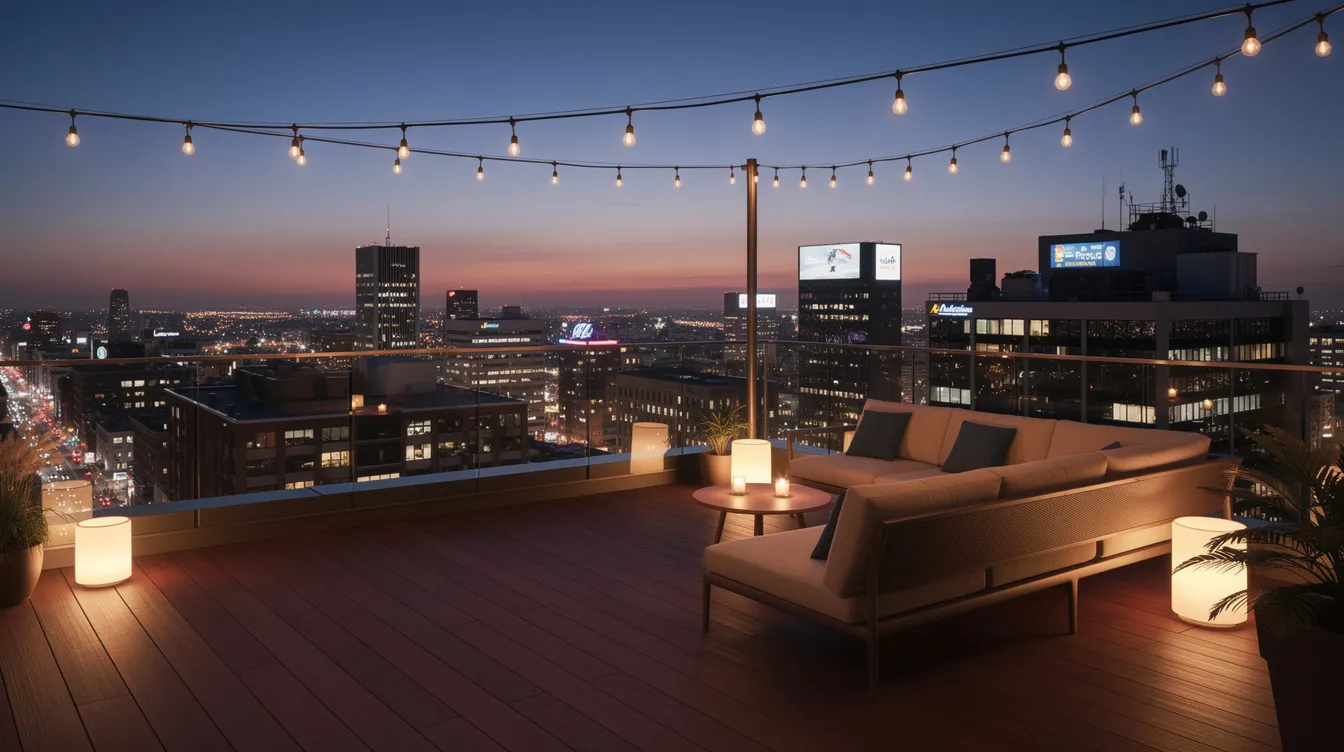
Rooftop event spaces, often considered a type of modern event center, have become especially popular for downtown Denver corporate events, cocktail receptions, and social celebrations. According to BizBash data, rooftop venues have seen 40% demand growth between 2022-2025.
The appeal centers on panoramic views of the city skyline and Rocky Mountains at sunset—particularly striking for out-of-town attendees experiencing the mile high city for the first time. These views create an unforgettable experience and the perfect setting for community gatherings, private events, and live music receptions.
Well-designed rooftop venues combine indoor event space with open-air terraces, giving planners both weather flexibility and the drama of outdoor spaces. This hybrid approach has become essential post-2022, with 70% of events now preferring divisible spaces.
When touring rooftop venues, evaluate:
- Wind exposure and available screens
- Shade options for afternoon events
- Heater availability for spring and fall evenings
- Sound system quality for outdoor areas
Readers considering a stylish rooftop event venue in Denver should explore options that combine modern elegance with practical flexibility for their next meeting or celebration. Choosing a modern event center rooftop venue can help ensure a great event.
How to Compare Event Venues After Your Tours
After several tours, details blur together. A structured comparison process ensures you select the perfect venue rather than defaulting to the most recent or flashiest option.
Create a comparison spreadsheet with these columns:
| Factor | Venue A | Venue B | Venue C |
|---|---|---|---|
| Rental fee | |||
| Included items | |||
| Capacity (seated/standing) | |||
| A/V included | |||
| Catering rules | |||
| Outdoor options | |||
| Overall impression |
Write notes immediately after each tour capturing staff responsiveness, cleanliness, and your gut feeling about service quality. These intangibles matter on event day.
Request itemized proposals from top contenders within a few days of touring to compare true total costs, including Denver’s 8.81% sales tax. Reach out to past clients for references or read recent reviews mentioning production quality, event-day coordination, and problem-solving. Many clients have shared positive things about their experiences, and some say they can’t say enough positive things about the venues and service.
The best event venue is the one that aligns with your priorities—not necessarily the most expensive or most famous option. Mid-tier venues often deliver rave reviews while saving 20-30% compared to premium spaces.
FAQ: Touring Event Venues Near You
These questions address practical concerns that extend beyond the main sections, helping you navigate the planning process with confidence.
How far in advance should I start touring event venues?
For popular Saturdays in cities like Denver, tour and reserve 12-18 months in advance for weddings and large corporate events, and 6-9 months for smaller gatherings. Weekday events and off-season dates (January, February, early March) can sometimes be booked with shorter lead times, but selection remains limited at top venues. Ask venues about current booking patterns, as demand spikes around holidays and citywide conventions at locations like the Sheraton Denver Downtown Hotel or Colorado Convention Center.
What should I bring with me when touring a venue?
Bring a printed or digital checklist, rough guest count, target dates, and an approximate budget range. Photos or mood boards showing your desired event style help venue coordinators speak to what is realistic in their event spaces. Take photos and short videos during the tour (with permission) to reference later when comparing options—details fade quickly after visiting multiple locations.
How can I estimate the total cost beyond the rental fee?
Ask for a sample invoice or detailed proposal that includes rental fee, service charges, taxes, minimums, and estimated catering and bar costs. Common additional expenses include security, coat check, upgraded linens, late-night overtime, and required A/V technicians. Plug these numbers into a simple spreadsheet to compare true “all-in” costs across different event venues. Expect total costs to run 30% or more beyond the base rental.
Can I bring my own vendors to an event venue?
Policies vary widely: some venues are full-service with in-house catering, while others allow any licensed and insured vendors. Ask about preferred or required vendor lists, additional fees for outside vendors, and specific insurance requirements. Even when outside vendors are allowed, using the venue’s recommended partners can simplify logistics and communication—and may offer flexible catering options you would not find independently.
What if the weather doesn’t cooperate for an outdoor or rooftop event?
Ask every venue for a detailed weather backup plan, including the exact indoor room that would be used and when the decision must be made on event day. In Denver and other high-altitude cities, sudden storms and wind are common, so tents, heaters, and covered terraces are important considerations for creating unforgettable moments regardless of conditions. Confirm any extra costs associated with weather backups, such as tent rentals ($5,000+) or additional setup fees, before signing a contract.